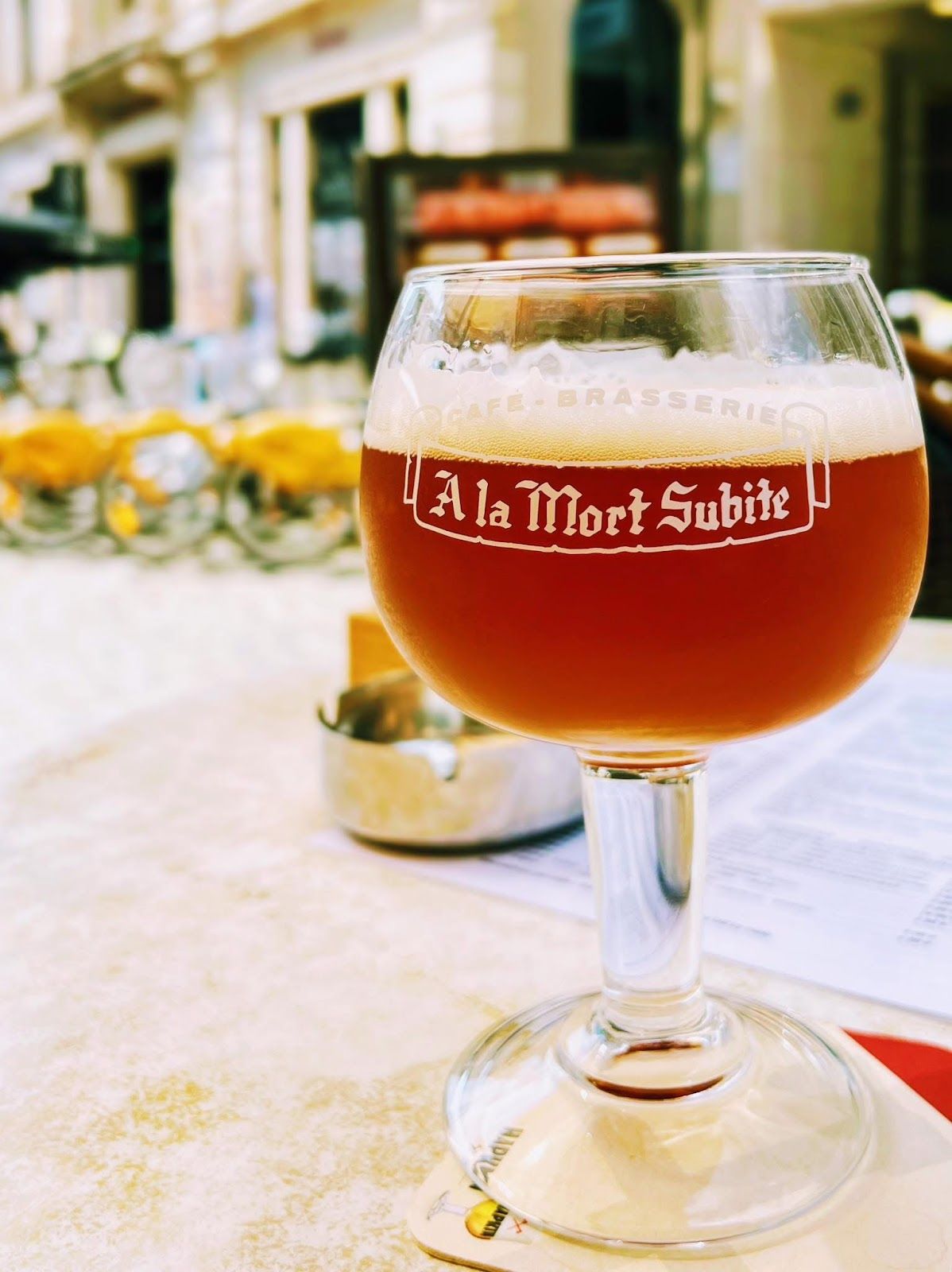
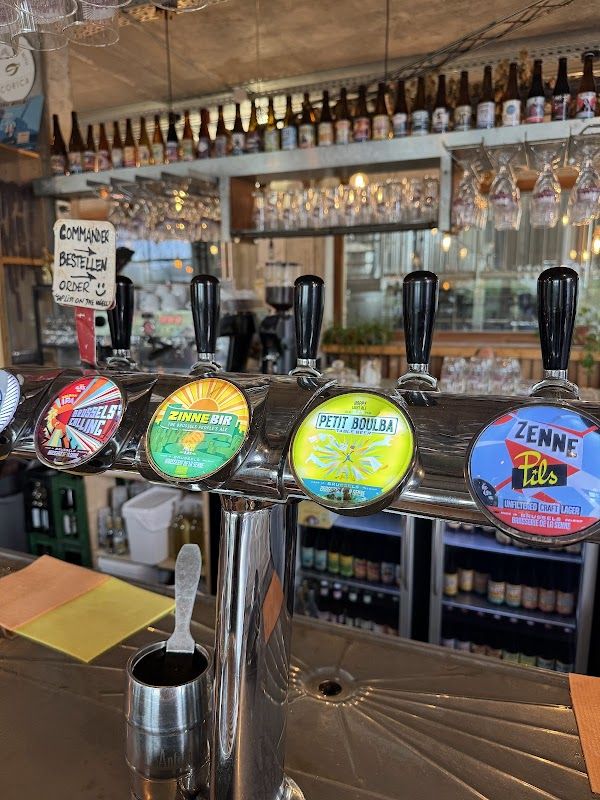
Cantillon is not just the best craft beer bar in the world on our ranking, it is the reason a ranking like this needs a category for reverence. A working brewery founded in Anderlecht in 1900, it still makes lambic exactly as it did before the First World War, and a visit is less a night out than a pilgrimage into the oldest living tradition in beer.
Why Cantillon is our number one
Most great beer bars are great because of what they choose to pour. Cantillon is great because of what it refuses to change. When Paul Cantillon and his wife Marie Troch founded the brewery in 1900, Brussels had more than a hundred breweries working the same wild-fermentation method. Cantillon is the only one that never stopped. Every other name on our world craft beer ranking is, in one way or another, a response to a beer culture that Cantillon helped keep alive. That is why it sits at the very top: it is not the most comfortable room, nor the largest list, but it is the single most important place a beer drinker can stand.
The brewery has stayed in the family across four generations, and its identity has never drifted toward fashion. In 1999 it converted entirely to organic ingredients, and it produces on the order of four hundred thousand bottles a year, a tiny figure for a name this famous, and part of why its beers are chased around the world. You do not come here for volume or novelty. You come because this is where a nearly lost art is still practised in the open, by people who treat it as a duty.
What lambic actually is, and why it is so hard to make
Lambic is the beer style that breaks the rules other brewers live by. Where almost all modern beer is fermented with carefully selected yeast pitched by the brewer, lambic is fermented by whatever drifts in on the air. At Cantillon the wort, brewed from a mash of roughly two-thirds malted barley and one-third unmalted wheat, is pumped up to a shallow open vessel in the attic called a coolship, or koelschip, and left overnight. As it cools, the wild yeasts and bacteria native to the Senne valley settle into it and begin fermentation. Nobody adds the yeast; the building and the air do.
From the coolship the young beer goes into old oak and chestnut barrels, where it matures for months and years, developing the dry, tart, faintly funky, deeply complex character that defines the style. Because so much is left to nature, lambic is unpredictable and slow, and it can only be made in cool months when the wild flora behave. It is, in a real sense, a beer of place, you cannot simply build a Cantillon somewhere else, because the yeasts would be different. That fragility is also its romance, and it is why serious beer writers treat Cantillon as a monument rather than merely a producer.
Gueuze, kriek and the fruit lambics
The house benchmark is gueuze, and it makes up roughly half of what Cantillon produces. Gueuze is a blend of young and old lambic bottled together; the young beer still contains fermentable sugar, which the wild yeast slowly turns to carbonation inside the bottle over about a year. The result is a sparkling, bone-dry, complex beer often compared to Champagne for its finesse and its ability to age for years or decades. If you order one thing here, order the gueuze.
Once a year the brewery makes a kriek, macerating whole cherries in lambic so the fruit ferments out to something tart and profound rather than sweet. Around that core sit the beers that have made Cantillon a cult name: Rosé de Gambrinus, a raspberry lambic; Fou' Foune, an apricot version that people queue for; Saint Lamvinus, aged on Merlot and Cabernet Franc grapes; Vigneronne, made with Muscat grapes; and Grand Cru Bruocsella, an unblended straight lambic that shows the style at its most austere and pure. None of these taste like what most people expect beer to taste like, and that is exactly the point.
The room: a brewery you can walk through
Part of what makes Cantillon unlike anywhere else on this list is that it is not really a bar at all. Since 1978, when Jean-Pierre van Roy founded the Brussels Museum of the Gueuze inside the working brewery, the building has doubled as a living museum of spontaneous fermentation. You buy your way in, and you walk the brewery itself: the mash tun, the copper, the attic coolship, and the long, dim, cobwebbed cellars where hundreds of barrels rest. Then you sit and taste.
The setting has been left deliberately unmodernised. This is not restored heritage dressed up for visitors; it is a slightly creaking, working industrial building where the equipment on display is the equipment still in use. The spiders in the cellar are protected because they keep the fruit flies down. Everything you see is load-bearing to the process. For anyone who cares about how beer is made, walking through Cantillon is one of the most moving experiences the drinks world offers.
Anderlecht and getting there
Cantillon sits at Rue Gheude 56 in Anderlecht, a working-class commune in western Brussels, only a short walk from the Brussels-Midi / Brussels-Zuid station, which makes it remarkably easy to reach, including on a Eurostar day trip from London or a Thalys hop from Paris or Amsterdam. The neighbourhood is unpretentious and residential, and the brewery's plain frontage gives little away; first-time visitors often walk past it. That anonymity is part of the charm. There is no marketing gloss here, just a door, a century of barrels behind it, and the smell of fermentation in the air.
When to go, and how to do it right
Cantillon keeps limited hours built around a working brewery rather than a bar's evening trade; historically it has welcomed visitors during the day from Wednesday to Saturday, and it is closed for long stretches around the brewing season. Because those hours shift with the seasons and with brew days, and because special releases and events sell out, the single most important piece of advice is to check the brewery's official website before you plan your visit. Do not assume it works like a pub.
When you do go, slow down. Take the self-guided walk through the brewery first so that what is in your glass makes sense, then taste unhurried. Buy bottles to take home while you are there; many of Cantillon's beers are difficult or impossible to find elsewhere, and prices at the source are fair. If you are visiting in autumn, ask about Zwanze Day, the brewery's once-a-year global release celebrated simultaneously at a small, chosen list of the world's best beer bars, an event that tells you everything about Cantillon's standing.
How Cantillon shaped modern beer
It is difficult to overstate how far Cantillon's influence reaches. The global explosion of sour and wild ales over the past two decades, the barrel programs at American breweries, the coolships now installed from Maine to Melbourne, the reverence for spontaneous fermentation among a new generation of brewers, traces back through a short line of Belgian lambic houses, and Cantillon is the one that kept the flame most publicly and most purely. When a modern brewery ages beer in a foudre or blends young and old batches for complexity, it is working from a template this brewery never abandoned.
That influence is why Cantillon's name carries such weight on lists like ours. Its beers routinely top style rankings among enthusiasts, its rare fruit lambics change hands at prices that embarrass most wine, and its Zwanze Day release is treated as a holy day by the small circle of bars trusted to pour it, including several elsewhere on our ranking, such as Brick Store Pub in Decatur. Yet the brewery itself has never chased any of this. It has not expanded aggressively, diluted its methods, or turned the museum into a gift shop. The scarcity and the fame are simply the by-products of doing one difficult thing extremely well for more than a hundred years. In an industry that often mistakes noise for quality, Cantillon's quiet, stubborn consistency is the most radical thing about it, and the clearest argument for its place at the top.
Who it is for
Cantillon is for the curious more than the casual. If your idea of a good beer is cold, sweet and familiar, the bracing acidity of a young gueuze may be a shock. But if you want to understand where sour beer, barrel-ageing and the entire modern wild-beer movement came from, there is no better classroom. It rewards drinkers who arrive with an open mind and a little patience, and it converts more sceptics than almost any beer on earth. Families and beer travellers pass through side by side; the atmosphere is quiet, respectful and genuinely welcoming. It is also, for all its seriousness, an unpretentious place, no dress code, no velvet rope, no attitude, only a shared sense that something rare is being kept alive here and that you are lucky to be tasting it.
The verdict
We rank Cantillon first because greatness in beer is not only about breadth of choice or comfort of surroundings, it is about authenticity, influence and the courage to keep doing something difficult when it would be easier to stop. Cantillon has done that for more than a century. It is the last continuously operating traditional brewery in a city that once had a hundred, a museum of a fragile art, and the source of beers that other brewers travel across the world to taste. Drink the gueuze, walk the barrel cellar, and you will understand why, for us, no other room comes close. When you have finished, our full Brussels craft beer guide and wider Brussels bar guide map out where to go next.
What to order
- 01
Cantillon Gueuze
The house benchmark, dry, sparkling, complex. Start here.
$$ - 02
Cantillon Kriek
The once-a-year whole-cherry lambic; tart and profound, never sweet.
$$ - 03
Rosé de Gambrinus
Raspberry lambic, the brewery's most recognisable fruit beer.
$$ - 04
Grand Cru Bruocsella
Unblended straight lambic; the style at its purest and most austere.
$$
Cantillon Brewery FAQ
What is Cantillon known for?
Cantillon is a working lambic brewery in Anderlecht, Brussels, founded in 1900. It makes only traditional lambic by 100% spontaneous fermentation, cooling the wort overnight in an open coolship so wild yeasts from the air start fermentation, then ageing it in oak and chestnut barrels. It is best known for its gueuze and fruit lambics such as kriek, Rosé de Gambrinus and Fou' Foune.
Do you need to book to visit?
Cantillon operates as both a brewery and the Brussels Museum of the Gueuze, with self-guided visits during opening hours, historically mornings and afternoons, Wednesday to Saturday. Because hours change seasonally and around brew days, always check the brewery's official website before travelling.
What should I order?
Start with the Gueuze, the clearest expression of the house style. Then try the Kriek and, if available, seasonal fruit lambics like Rosé de Gambrinus or Fou' Foune. Grand Cru Bruocsella shows unblended lambic at its purest.
Why is it ranked number one in the world?
It is the last of the hundred-plus breweries that once operated in Brussels to run continuously to today, it makes one of the world's most revered and fragile styles entirely by traditional methods, and since 1978 it has doubled as a museum preserving that method. Nothing else combines that heritage, authenticity and influence.
Sources & further reading
Editorial research drew on the brewery's own site (cantillon.be), the Brussels Museum of the Gueuze listing at visit.brussels, the Cantillon entries at Wikipedia and lambic.info, and reporting on lambic's heritage and fragility in The Guardian. Facts such as founding date, method and beer range are drawn from these sources; opinions and the ranking are the barsforKings editorial team's own. Spot an error? Tell us via corrections.