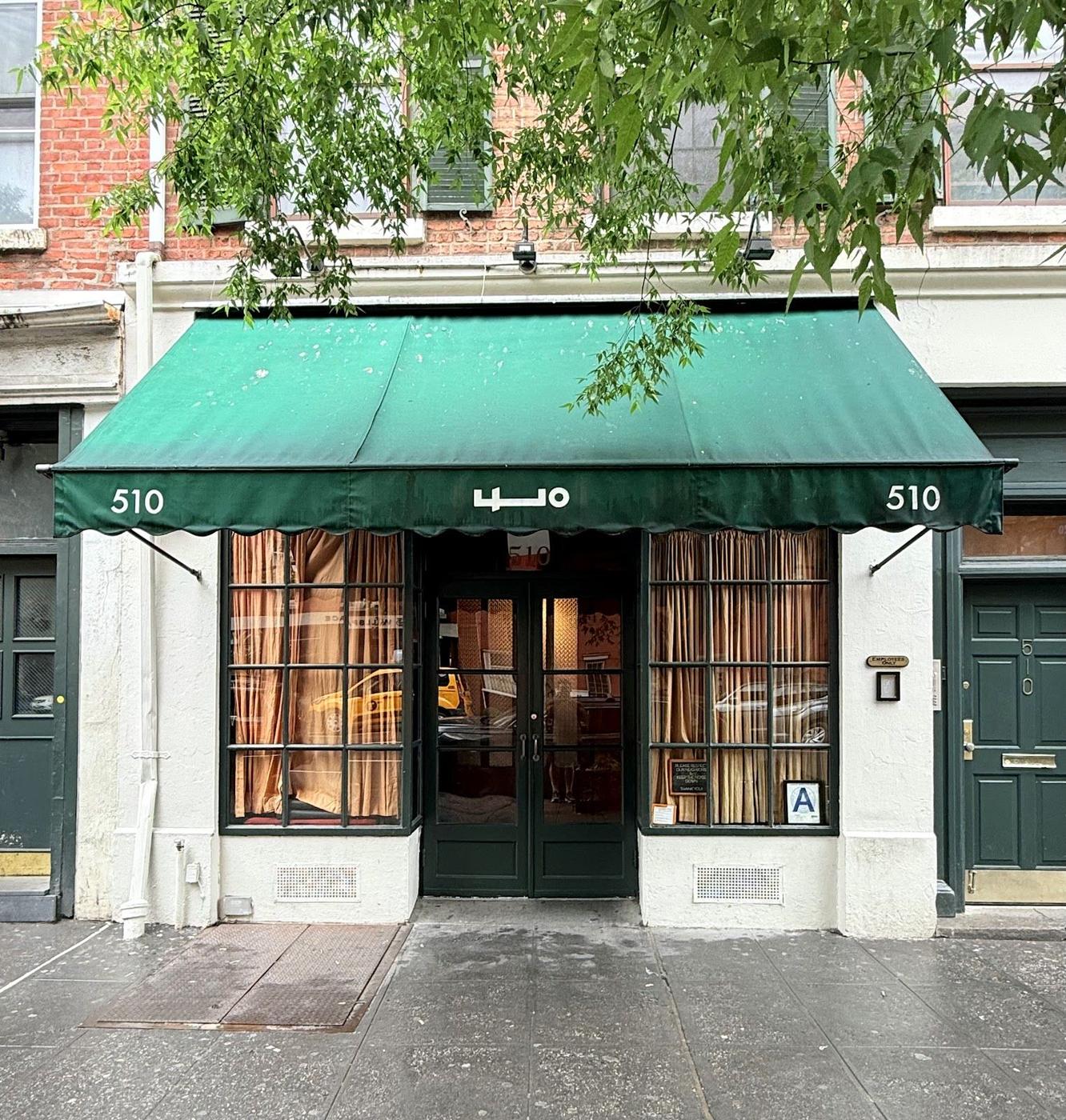
Walk into Crif Dogs, a hot-dog shop on St Marks Place, step into the vintage wooden phone booth, and pick up the receiver. If there is room, a host answers, and the back wall of the booth swings open into a narrow, taxidermy-lined cocktail den. This is PDT, Please Don't Tell, the bar that gave the modern speakeasy its most famous image and helped set off a global craze for hidden rooms.
We rank PDT No. 5 on our guide to the 25 best speakeasies in the world. Its influence is almost impossible to overstate: the phone-booth-in-a-hot-dog-shop entrance has been imitated on every continent, and the bar's fingerprints are on the drinks, the books and the techniques that define the modern craft-cocktail era.
The bar that started the craze
PDT opened on 24 May 2007, founded by Jim Meehan, Crif Dogs co-owner Brian Shebairo and Chris Antista. The concept grew partly from a licensing quirk: the adjacent hot-dog shop already held a liquor licence, and routing entry through Crif Dogs allowed the founders to extend it legally into the new bar next door. What began as a clever workaround became the template for a movement. PDT is widely credited as the first modern speakeasy-style bar, the venue that triggered the contemporary vogue for concealed entrances, no signage and reservation-only intimacy.
The phone booth is the masterstroke. A restored wooden booth with a working rotary handset, it turns the simple act of entering into a small ceremony, and it is that theatre, as much as the drinks, that thousands of bars have since tried to copy. Few have matched the original, because at PDT the gimmick was always married to serious cocktail craft.
Inside the den
Beyond the booth is a small, dark, den-like room holding no more than about four dozen people, a mix of bar stools, booths and a few tables, its walls crowded with mounted taxidermy that has become part of the bar's identity. The World's 50 Best has described PDT as a "taxidermy-strewn gem" with "innovative yet unpretentious cocktails," a great bar that does not take itself too seriously. That balance, seriousness about the drinks, lightness about everything else, is central to its appeal.
Getting in has always been part of the fun, and part of the challenge. The room is tiny and demand is high, so a seat is never guaranteed. In keeping with our policy, treat the exact booking mechanics and hours as things to confirm before you go, since they have changed over the years; historically reservations opened by phone, and more recently they have run through an online system, with limited walk-in bar seats for small parties.
The Benton's Old-Fashioned and a technique that spread worldwide
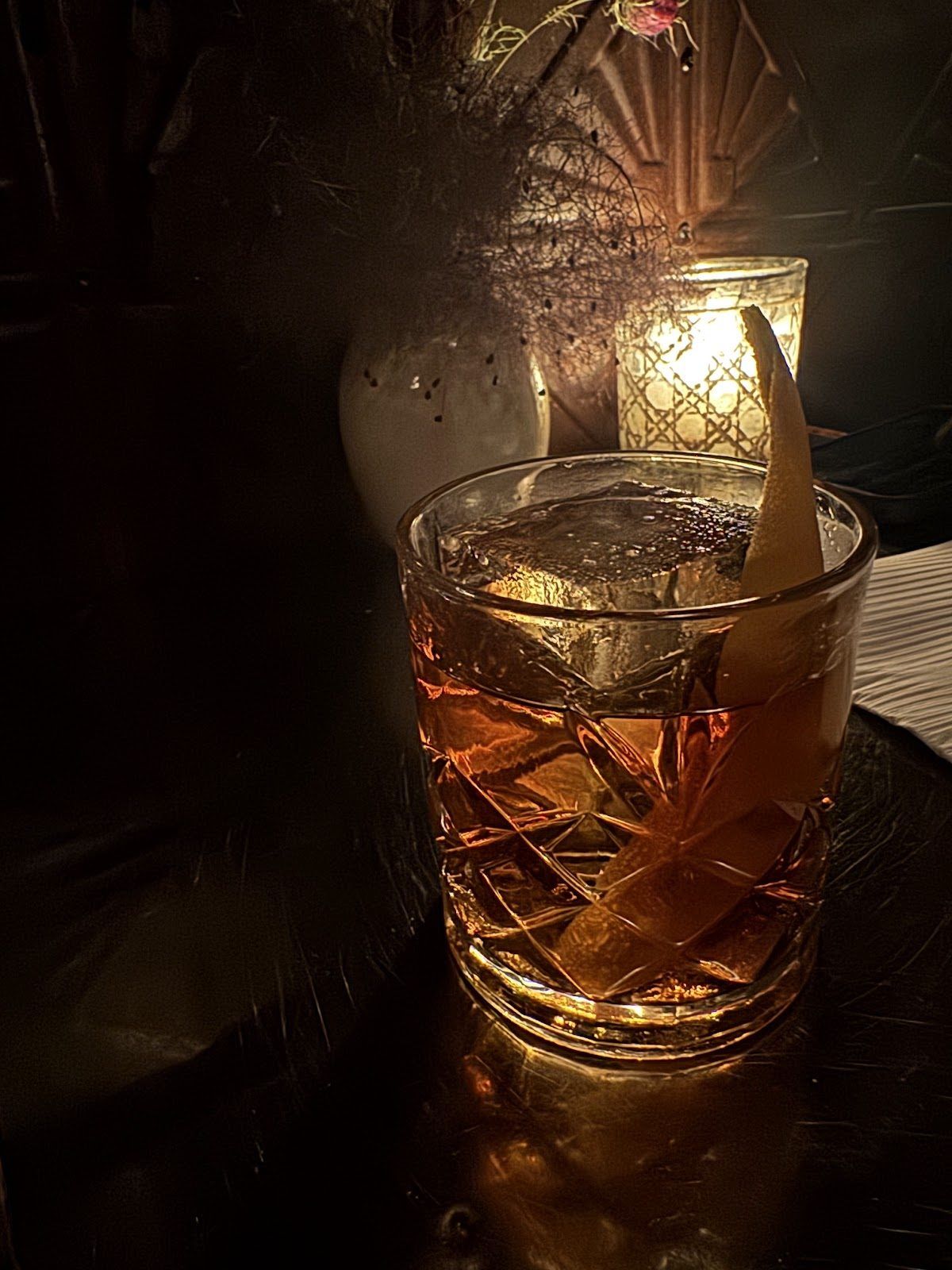
PDT's most influential contribution to the cocktail canon is a single drink: the Benton's Old-Fashioned, created by then-PDT bartender Don Lee. It is credited as the drink that introduced fat-washing, the technique of infusing a spirit with cooking fat, to the cocktail world. Lee took excess smoky bacon fat from Benton's hams, used at the nearby Momofuku Ssäm Bar, infused it into bourbon, and combined the result with maple syrup and Angostura bitters. The idea sounds outlandish and tastes remarkable, and fat-washing is now a standard tool in bars everywhere. Meehan has recalled that the drink became PDT's best-seller almost immediately, with the bar going through many bottles of fat-washed bourbon a week.
The food is part of the story too. PDT serves Crif Dogs' kitchen output, deep-fried, creatively topped hot dogs, tater tots and fries, the most famous being the "Chang Dog," a bacon-wrapped, deep-fried dog named for chef David Chang and finished with Momofuku's kimchi purée. It is a very PDT combination: a serious cocktail program and a gourmet hot dog, served in the same tiny room without a hint of pretension.
A rare awards trifecta
Few bars have been so comprehensively decorated in their prime. PDT was named the No. 1 bar on The World's 50 Best Bars in 2011. It won World's Best Cocktail Bar at the Tales of the Cocktail Spirited Awards in 2009, the year Jim Meehan was also named American Bartender of the Year. In 2012 it received the first-ever James Beard Award for Outstanding Bar Program, and The PDT Cocktail Book, published in 2011, took a Spirited Award and became a reference text in professional bars around the world, alongside its companion cocktail app. That combination of a global No. 1 ranking, a Tales title and a landmark James Beard win is a rare trifecta.
A note on currency: PDT's ranking peak was 2011, and it does not appear on the most recent World's 50 Best lists, so it is best understood as a foundational, era-defining bar rather than a current chart-topper. Its importance is historical and lasting rather than tied to this year's placements.
People and legacy
PDT was also a talent factory. Founder Jim Meehan became one of the most influential figures in modern bartending before departing the bar in 2019; the book and app he created remain widely used tools in high-end bars. Jeff Bell, who started at PDT as a barback in 2010 and rose to head bartender, was named Diageo World Class US Bartender of the Year in 2013 and later purchased PDT and Crif Dogs, becoming the owner. The bar also expanded internationally with a PDT inside the Mandarin Oriental in Hong Kong, entered, naturally, through a phone booth.
The book that became a blueprint
PDT's influence extends well beyond its own tiny room, in large part because of a book. The PDT Cocktail Book, written by Jim Meehan and illustrated by Chris Gall, appeared in 2011 and collected the bar's recipes alongside chapters on bar design, tools, technique, food and spirits. It won a Spirited Award in 2012 and, together with its companion cocktail app, became a genuine reference work in professional bars around the world; The New York Times has noted that the book and app are frequently used tools in high-end bars. For a generation of bartenders who never made it through the phone booth, PDT effectively arrived on their back bar in printed form.
The bar's model travelled physically, too. PDT opened a second location inside the Mandarin Oriental in Hong Kong, entered, inevitably, through a phone booth, exporting the concept to Asia. And countless independent bars, from London to Tokyo to Sydney, borrowed the essential PDT playbook: an unmarked or disguised entrance, no signage, a small reservation-driven room and a cocktail program taken entirely seriously. When people talk about the global speakeasy boom of the 2010s, they are, in large part, talking about the spread of ideas that crystallised here.
The people PDT produced
Great bars are also talent pipelines, and PDT has been one of the most productive. Founder Jim Meehan became one of the most influential figures in modern bartending, named American Bartender of the Year at Tales of the Cocktail in 2009, before leaving the bar in 2019 to focus on writing and consulting. Jeff Bell started at PDT as a barback in 2010, rose to head bartender, was named Diageo World Class US Bartender of the Year in 2013, and in 2020 bought PDT and Crif Dogs outright, becoming the owner of the bar he had grown up in professionally. Don Lee, who created the Benton's Old-Fashioned here, went on to a distinguished career of his own. The room may be small, but the careers it launched are not.
The verdict
PDT is the bar that turned the speakeasy from a historical curiosity into a global phenomenon. The phone booth, the taxidermy, the hot dogs and the Benton's Old-Fashioned are all part of a single, coherent idea: take drinks seriously, take yourself lightly, and make getting in an event. Its awards trifecta and its role as the origin point of both the modern speakeasy craze and the fat-washing technique cement its influence. It sits at No. 5 on our list not because it is the newest or flashiest, but because so much of what the other bars here do began, in one form or another, behind that phone-booth door.
See the full field in our 25 best speakeasies in the world, or keep exploring in our New York guide.