Canastra is the little natural-wine bar that taught Ipanema to drink standing on the pavement. Opened in 2015 by three Frenchmen a block off the beach grid, it built its reputation on a weekly ritual that became one of Rio's best after-work traditions: Tuesday oyster night, when oysters brought up from Santa Catarina are shucked that afternoon and eaten with cold natural wine as the crowd overflows onto Rua Jangadeiros. In a city full of botequins, Canastra proved a wine bar could own the after-work slot too, and it did so with more character than almost anywhere in its category.
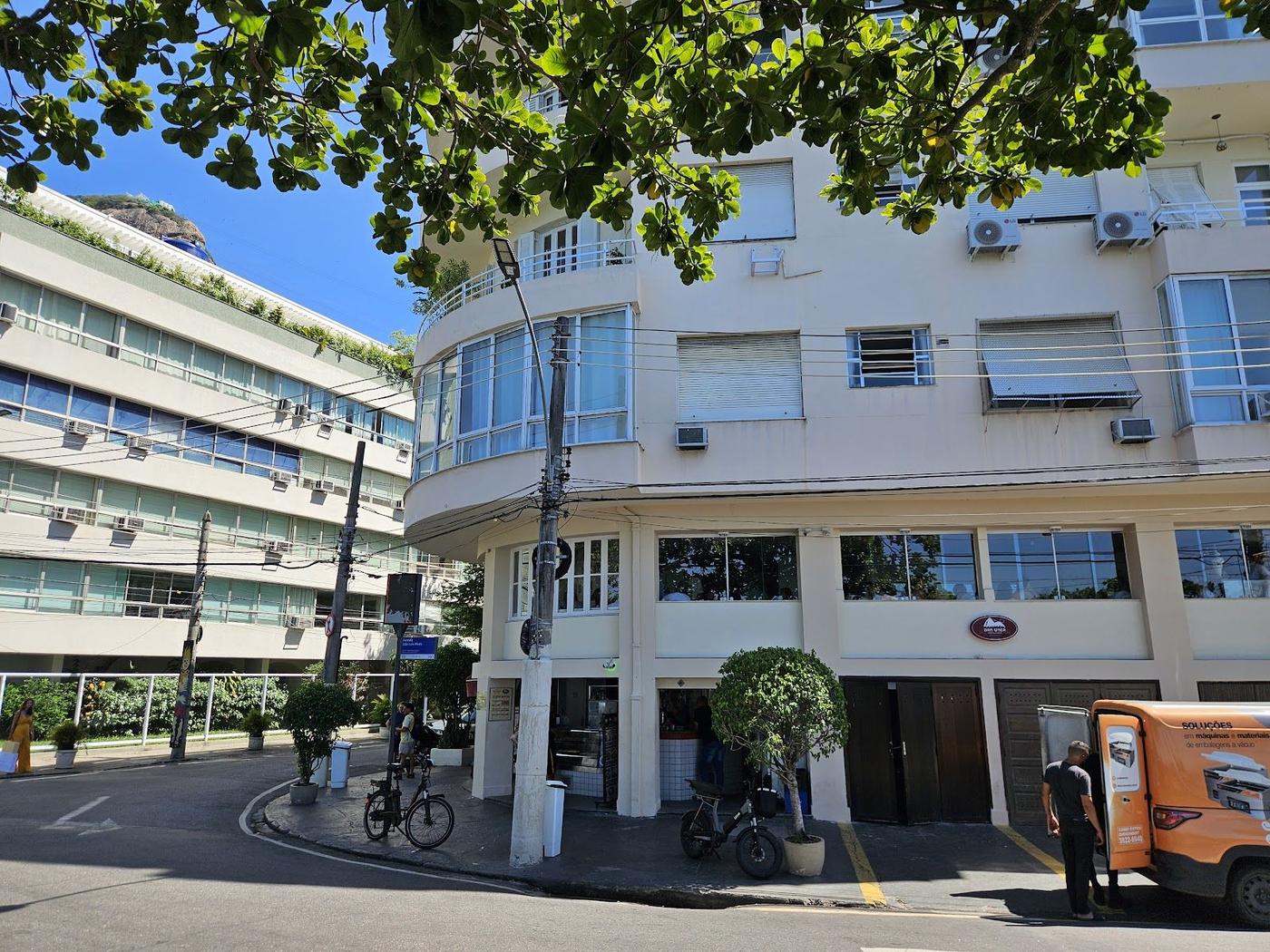
The bar sits at Rua Jangadeiros 42, a short block from Ipanema beach near the General Osório metro. The founders, three Frenchmen often referred to as Vava, Laurent and Gerard, converted an old shop into a room that is famously small, barely bigger than a bedroom, which turned out to be the whole point. Because the inside cannot hold the crowd, the drinking happens on the sidewalk, with tables and standing drinkers spilling along the street. That off-the-beach, on-the-pavement scene is the essence of Canastra's appeal.
An all-Brazilian wine list
The idea that made Canastra distinctive was a wine list sourced entirely from Brazil. Rather than mark up imported European bottles, the founders leaned into the wines of Rio Grande do Sul, the country's gaúcho wine region, and neighbouring Santa Catarina, keeping prices approachable and the whole proposition local. Co-founder Gerard has explained the logic simply: going Brazilian-only meant they did not have to charge steep prices for imported bottles. The list has been framed around natural and low-intervention wine, part of the same wave that was reshaping how Rio and São Paulo drink, and it gave Ipanema something it did not really have before, a proper neighbourhood wine bar that was cool without being expensive.
Alongside the wine, the food is built for grazing: cheese and charcuterie plates and small dishes that pair with a glass, cured hams and soft cheeses, burrata with bread, marinated peppers, octopus salad, Brazilian ingredients served in a French register. It is the kind of menu designed to keep you at the bar for one more glass, which is exactly what a great after-work wine bar should do.
Tuesday is oyster night
If Canastra has a signature, it is not a cocktail but a night of the week. Tuesday is oyster day, when oysters are brought in from the coast of Santa Catarina, around Florianópolis, caught in the morning, flown to Rio and shucked by the afternoon, then served with cold natural wine. The combination of fresh oysters, low-intervention wine and a warm Ipanema evening made Tuesdays at Canastra a genuine institution, so busy that the tables run out early and everyone ends up drinking standing on the street. It is one of the most enjoyable and distinctive after-work rituals in the city, and it is the clearest reason Canastra earns its place on this ranking.
There is more to the operation than the ground-floor bar, too. Beneath it, a small basement speakeasy known as Canastra Sub has served gin-based cocktails in a darker, London-and-New-York-underground mood, a different register for later in the evening once the sidewalk scene has done its work.
A small group, and an evolving room
Canastra's success turned it into a small hospitality group. The founders went on to open further venues around Rio, including a Botafogo offshoot and, more recently, a wood-fired pizza concept, and the original Ipanema address itself has evolved over time, leaning increasingly toward a wine-and-pizza operation while keeping the same affordable, French-inflected, low-key charm. Because the concept at Rua Jangadeiros has shifted and expanded since its wine-bar-and-oysters heyday, it is worth checking the current format and whether oyster night is still running before making a special trip. What has not changed is the DNA: an unpretentious, sidewalk-spilling, all-Brazilian-wine room that made drinking well in Ipanema feel easy and local.
How Canastra changed the way Ipanema drinks
To understand why a small wine bar earns a place on a global after-work ranking, it helps to remember what Ipanema drinking looked like before it. The neighbourhood had its beach kiosks and its botequins, its cold beer and its caipirinhas, but it did not really have a casual, walk-in wine culture. Wine in Rio tended to mean either a formal restaurant list or expensive imported bottles, neither of which fit the easy, spontaneous rhythm of a Zona Sul evening. Canastra arrived in the middle of a wave of interest in natural and low-intervention wine that was reshaping how Rio and São Paulo drank, and it translated that movement into something distinctly carioca: unpretentious, affordable and lived out on the pavement rather than at a white-tablecloth table.
The all-Brazilian list was the key that unlocked it. By committing to wines from Rio Grande do Sul and Santa Catarina rather than marking up European imports, the founders could keep prices within reach of a normal night out, which is exactly what made the place a habit rather than an occasion. It also gave the bar a point of view. In a country whose wine industry was still fighting for respect, a room in the heart of glamorous Ipanema that served only Brazilian bottles, and served them with pride, was a quietly radical thing. Drinkers who might never have ordered a Brazilian wine in a restaurant found themselves discovering gaúcho producers over a plate of cheese, and enjoying it.
The room, the sidewalk and the crowd
Physically, Canastra is almost comically small, a room often described as barely bigger than a bedroom, and that constraint is the source of its charm. Because the inside cannot possibly hold everyone who wants to be there, the bar turns itself inside out: the drinking spills onto Rua Jangadeiros, where a loose, standing crowd forms on the pavement with glasses in hand, and the street becomes the real venue. It is the same alchemy that makes the best neighbourhood bars anywhere work, the room too small to contain the good time, so the good time takes over the block. On a warm Ipanema evening it is one of the most appealing scenes in the city.
The crowd is a genuine mix: Ipanema locals, resident expats, people from the food and drink world, and visitors who have been tipped off that this is where to find the neighbourhood at its most relaxed. It never feels like a scene in the exclusionary sense; the pleasure is precisely how easy it is to fold into. You can arrive alone, order a glass, and end up in conversation on the sidewalk, which is the mark of a real after-work bar rather than a destination. That accessibility, paired with a genuinely good and distinctive product, is why Canastra punched so far above its tiny footprint and why it spawned a whole small group of venues in its image.
From one small room to a small empire
Canastra's success did not stay contained in that single room. The founders parlayed it into a small hospitality group, opening further venues around the city over the following years, including a Botafogo offshoot and, more recently, a wood-fired pizza concept that carries the same relaxed, French-inflected charm. The original Ipanema address itself has evolved in step, leaning increasingly toward a wine-and-pizza operation while keeping the vintage-mirror, low-lit look and the affordable, all-Brazilian ethos that made the name. Downstairs, the basement speakeasy Canastra Sub has offered a darker, gin-forward counterpoint to the sidewalk scene above, a place to continue the evening once the pavement crowd thins.
Because the concept at Rua Jangadeiros has shifted and expanded since its wine-bar-and-oysters heyday, it is genuinely worth checking the current format, and whether the Tuesday oyster night is still running, before you plan a special trip around it. That evolution is not a criticism so much as a sign of how influential the original idea was: a tiny French-run wine room changed enough about how Ipanema drinks that it grew into a brand. What has never changed is the DNA. Whatever the exact menu on any given night, Canastra remains an unpretentious, sidewalk-spilling, Brazilian-first room that made drinking well in Ipanema feel casual and local, and that is the thing worth coming for.
Why a tiny wine bar makes the list
On paper, a natural-wine bar can sound like the opposite of an after-work classic, more of a considered destination than a reflexive stop for the first round after five. Canastra earns its place by collapsing that distinction. The pairing at its heart, a glass of cold, low-intervention Brazilian wine and a plate of cheese or a dozen oysters, is genuinely special, the kind of thing you would happily travel for, and yet the way it is served, cheaply and casually, standing on an Ipanema pavement in shorts, makes it feel like the most natural weeknight habit in the world. That combination of a real, distinctive product and total ease of access is exactly what the best after-work bars trade on, and very few wine bars anywhere pull it off.
It also matters that Canastra is a bar of its neighbourhood rather than a stage set for visitors. The crowd is Ipanema's own, the wine is Brazil's own, and the scene organises itself on the street without a guest list or a reservation. You can drop in alone and leave having made friends, or bring a group and take over a stretch of sidewalk, and either way the cost of the evening stays within the range of a normal night out. That is why, even as the concept has grown and shifted, the original idea keeps its hold: it proved that Ipanema could have a wine bar that felt like a botequim, and once you have drunk on that pavement on a Tuesday with an oyster in one hand and a glass in the other, you understand exactly why it belongs on this ranking.
Ipanema, and when to go
Ipanema needs little introduction: Rio's most famous beach neighbourhood, immortalised in song, is also one of its best for eating and drinking once you step back from the sand. Canastra sits in the heart of it, a block off the beach grid, which makes it a natural landing spot after a late-afternoon swim or a day in the sun. The bar comes alive in the evening, and Tuesdays and weekends are the liveliest, when the crowd overflows onto Rua Jangadeiros. Exact hours vary and are worth confirming, but the early-to-mid evening is the sweet spot for the after-work scene, before the room tips fully into its later, busier night.
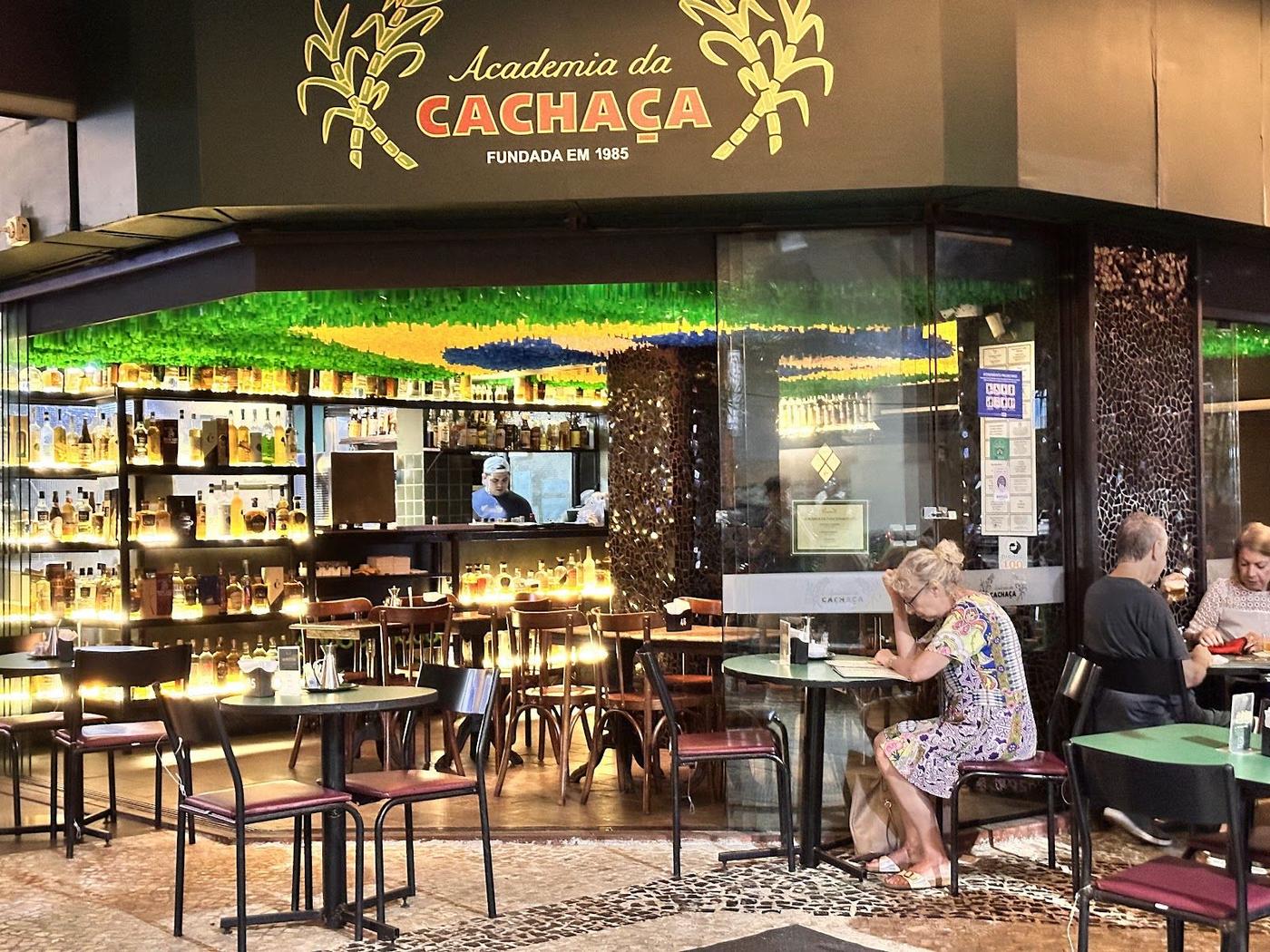
The move is to arrive in the early evening, order a glass of Brazilian natural wine and a plate of cheese, and, on a Tuesday, a dozen oysters, then take your drink out onto the pavement and join the crowd. For more of the city's neighbourhood drinking, Rio's other great institutions, from the sunset seawall of Bar Urca to the cachaça temple of Academia da Cachaça, sit elsewhere on our Rio after-work list and Rio bar guide.
What to order
- 01
A glass of Brazilian natural wine
From Rio Grande do Sul or Santa Catarina, the house idea.
- 02
Oysters (on a Tuesday)
Flown in from Santa Catarina and shucked that afternoon.
- 03
Cheese and charcuterie
Small plates built for grazing over a glass.
- 04
A gin cocktail at Canastra Sub
Downstairs, for the later, darker half of the evening.
Sources: Culinary Backstreets (2015); The Rio Times; Lonely Planet. Founding (2015, by three Frenchmen), the all-Brazilian wine list and the Tuesday oyster night verified against these; the venue has since expanded into a small group and evolved toward wine-and-pizza at the Ipanema address, so current format is worth confirming. Prices and exact hours omitted as they change.